
Home › Services › Crown Reduction
Tree surgeons · Hampton & Twickenham
Crown Reduction in Hampton, Twickenham & the TW Area
Reduce the height and spread of a tree that has outgrown its space, while keeping it healthy and natural-looking.
- Fully insured
- Free, no-obligation quotes
- Open 24/7
- All waste removed
Crown Reduction by Arbor & Stone
A crown reduction reduces the overall height and spread of a tree by cutting branches back to suitable side branches or growth points. Done well, the tree looks smaller and lighter but keeps its natural outline – nobody should be able to tell it has been “cut back”.
It is the most common job we do in the gardens of Hampton, Twickenham and Teddington, where many oaks, limes, sycamores and conifers were planted decades ago and are now far larger than anyone expected.
When crown reduction is the right choice
- The tree has outgrown the garden and is overshadowing the house or lawn
- Branches are touching the roof, gutters, windows or a neighbour’s property
- You want to keep a tree but reduce the amount of leaf drop and shade
- The tree has a defect and needs less wind loading to stay safe
- Neighbours have asked for overhanging branches to be cut back
How we carry out a crown reduction
We start by assessing the species, health and structure of the tree and agreeing with you exactly how much it will be reduced. Our climbers then work through the crown, cutting each branch back to a suitable growth point so that the tree can seal the wound and regrow in a balanced way.
Most trees should lose no more than about a quarter to a third of their leaf area in one go. Taking more than that stresses the tree and causes a mass of weak regrowth, so if a tree needs to come down by more, we will recommend doing it in stages over a few years.
Crown reduction, crown thinning and “topping”
Crown reduction makes the whole tree smaller. Crown thinning removes a proportion of smaller branches throughout the crown to let more light and wind through without changing its size. Crown lifting removes the lowest branches to give clearance underneath.
Topping – cutting a tree flat across the top – is not the same thing. It leaves large wounds that decay and produces dense, weakly attached regrowth that becomes dangerous. We do not top trees; if a tree needs regular hard cutting, pollarding may be the right approach instead.
When is the best time of year?
Most deciduous trees are best reduced in late autumn and winter, when they are dormant and you can clearly see the structure. Avoid the weeks when buds are bursting in spring. Some species are exceptions – cherries and plums, for example, are better pruned in summer to reduce the risk of silver leaf disease. Birds’ nests are protected by law, so during the nesting season (roughly March to August) we check every tree before work.
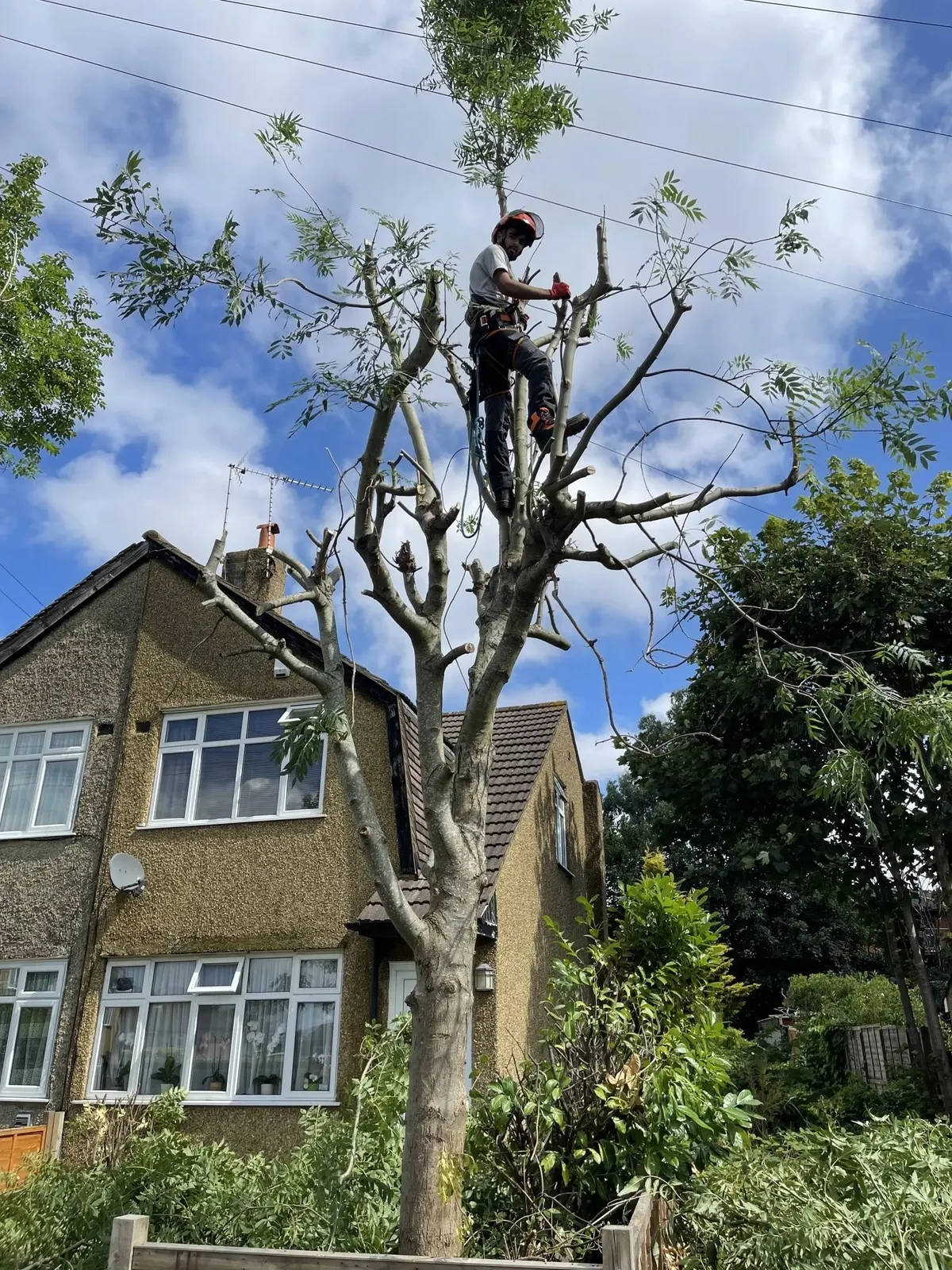
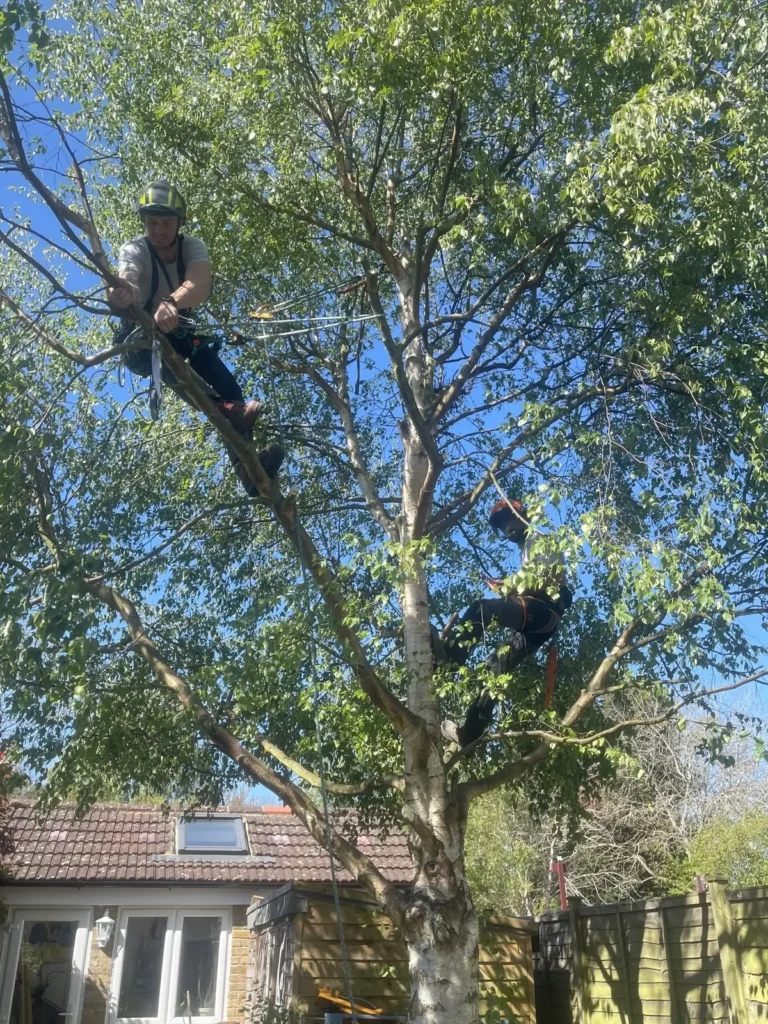
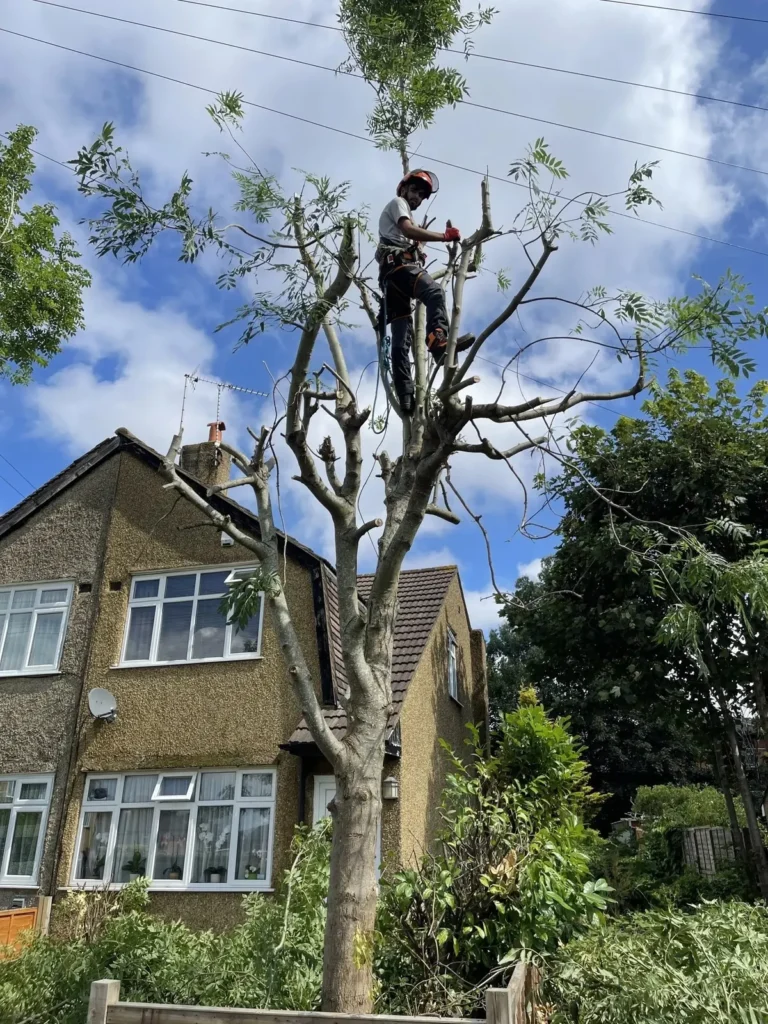
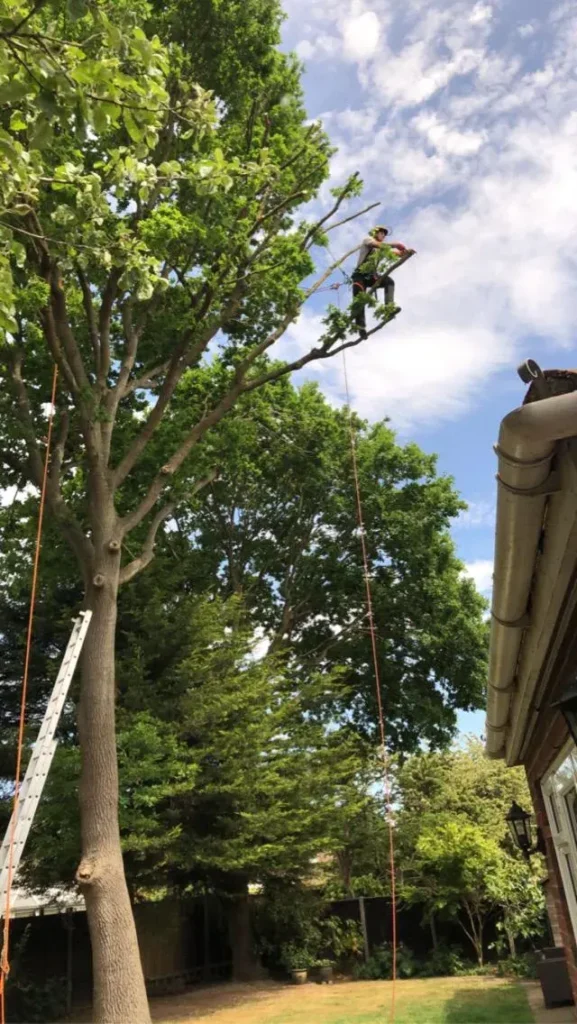
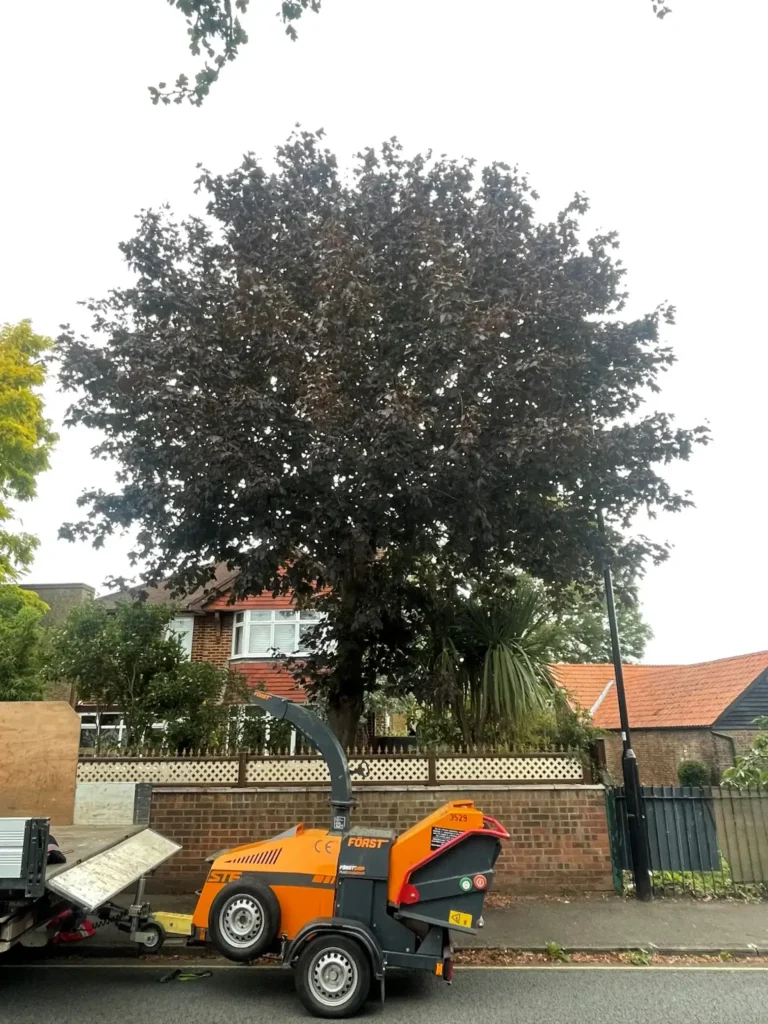
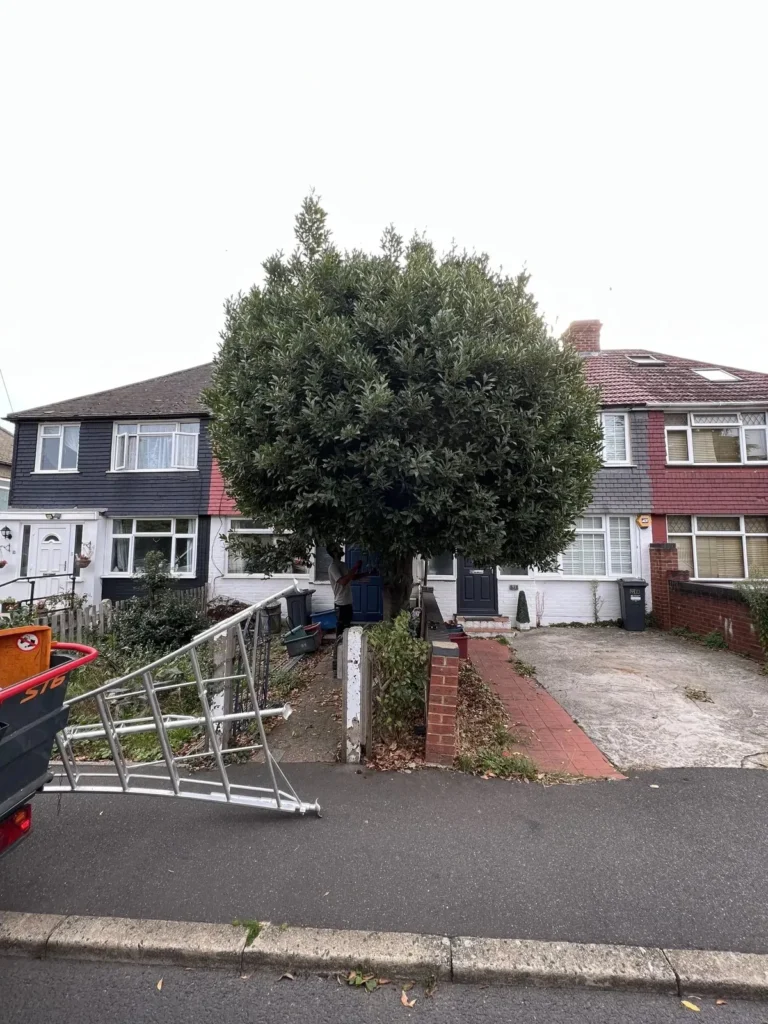
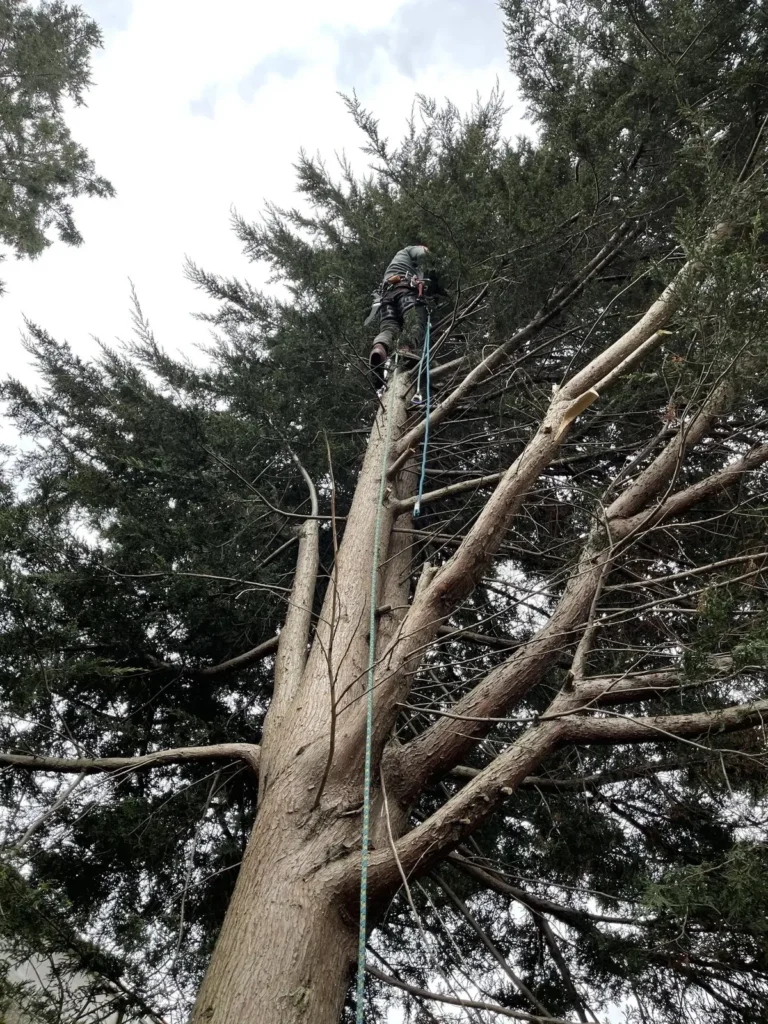
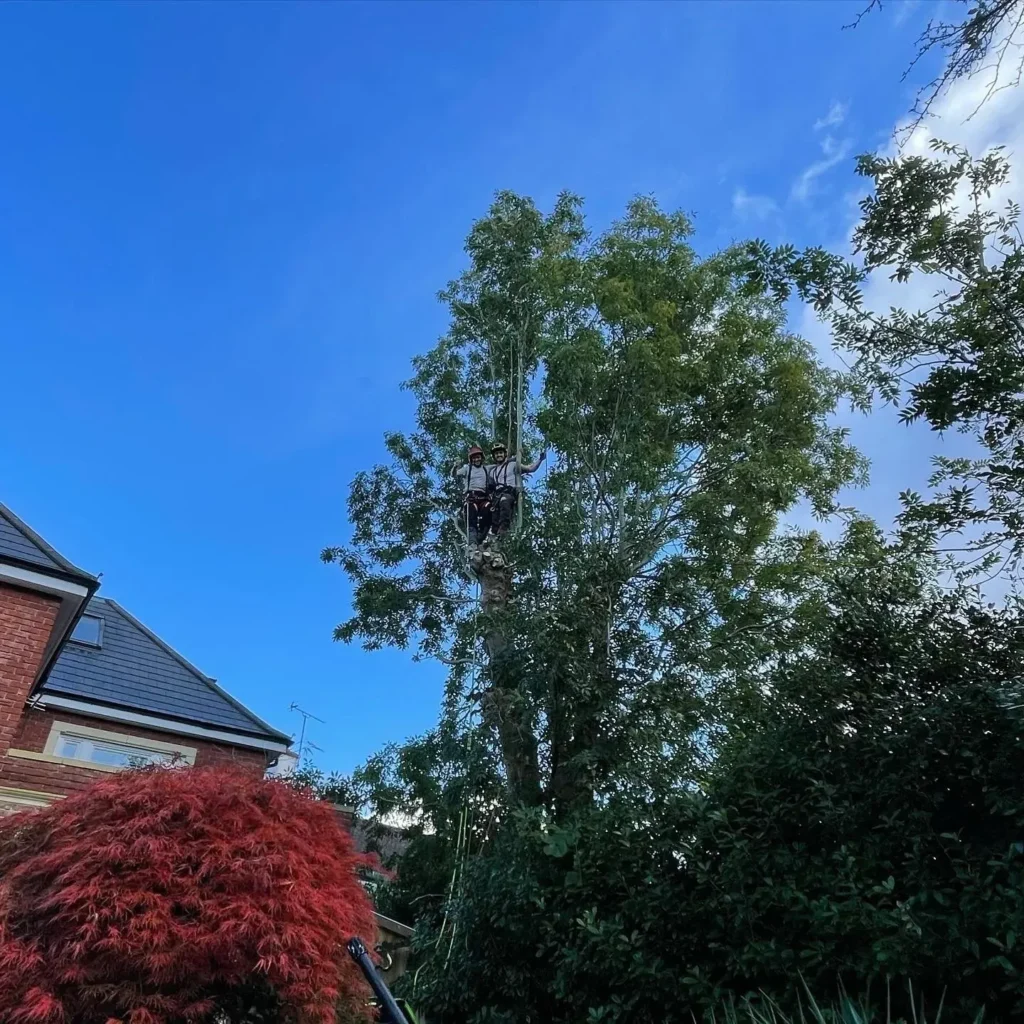
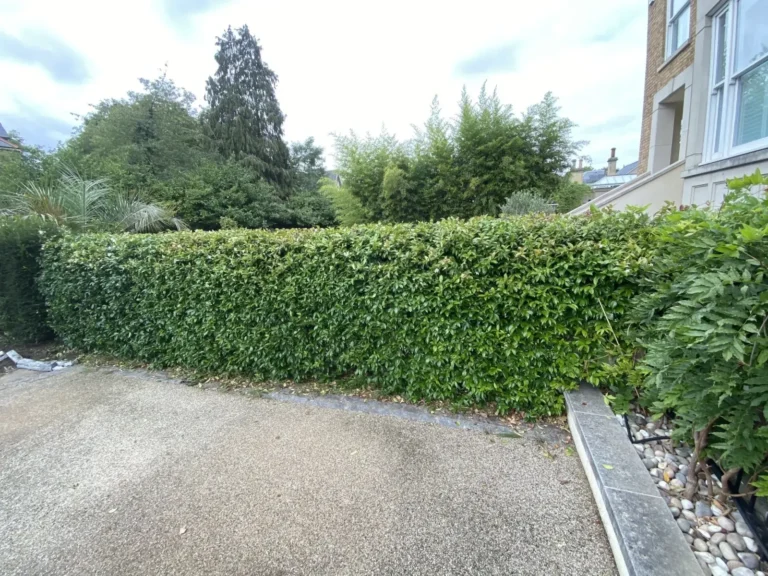
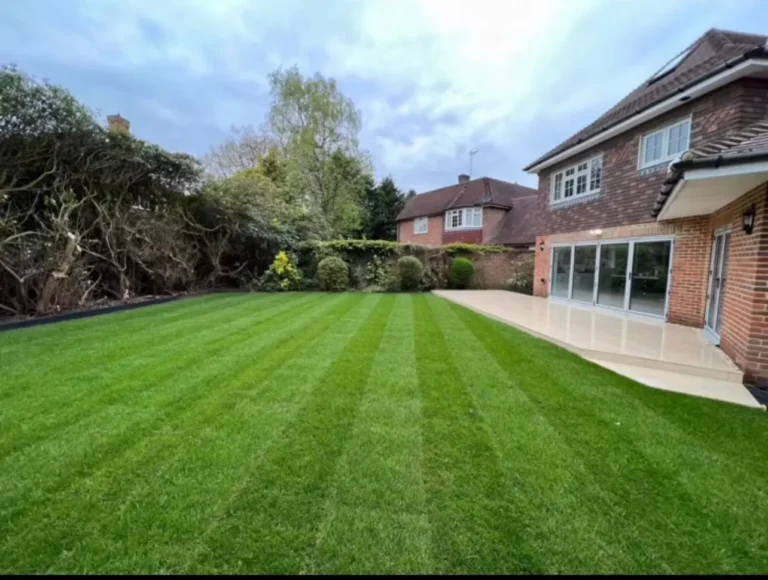
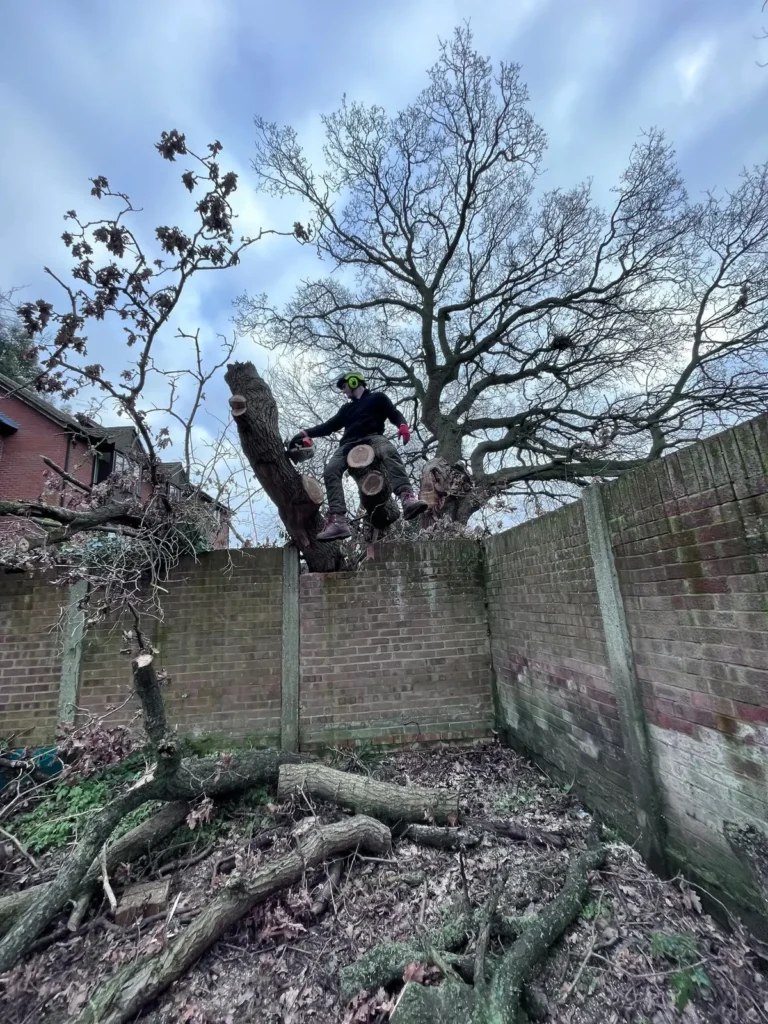
Recent crown reduction work
Crown Reduction – frequently asked questions
How much can be taken off a tree in a crown reduction?
As a general rule, no more than about 25–30% of the leaf area in one operation. That is usually enough to make a noticeable difference to height, spread and light without harming the tree.
Will the tree grow back after a crown reduction?
Yes – a healthy tree will put on new growth. Most reduced trees need maintaining every three to five years, depending on the species and how vigorous the tree is.
What is the best time of year for a crown reduction?
Late autumn to winter suits most deciduous trees. Cherries and plums are better done in summer. We check for nesting birds during the spring and summer.
Is crown reduction the same as topping?
No. Crown reduction cuts back to growth points and keeps the natural shape. Topping cuts the tree flat across, which causes decay and weak regrowth. We do not top trees.
Do I need permission for a crown reduction?
Only if the tree has a Tree Preservation Order or is in a conservation area. We check the status of the tree and can help with the application or notice.
Crown Reduction near you
We provide crown reduction across Hampton, Twickenham & the TW postcodes and everywhere within about 15 miles of our Ashford base, including:
- Tree surgeon Hampton
- Tree surgeon Hampton Hill
- Tree surgeon Hampton Wick
- Tree surgeon Twickenham
- Tree surgeon Whitton
- Tree surgeon Teddington
- Tree surgeon Richmond
- Tree surgeon Isleworth
- Tree surgeon Hounslow
- Tree surgeon Feltham
- Tree surgeon Sunbury-on-Thames
- Tree surgeon Ashford
- Tree surgeon Shepperton
- Tree surgeon Staines-upon-Thames
- Tree surgeon Kingston upon Thames
- Tree surgeon East Molesey
- Tree surgeon Stanwell
- Tree surgeon Egham
- Tree surgeon Chertsey
- Tree surgeon Walton-on-Thames
- Tree surgeon Weybridge
- Tree surgeon Windsor
Our other services
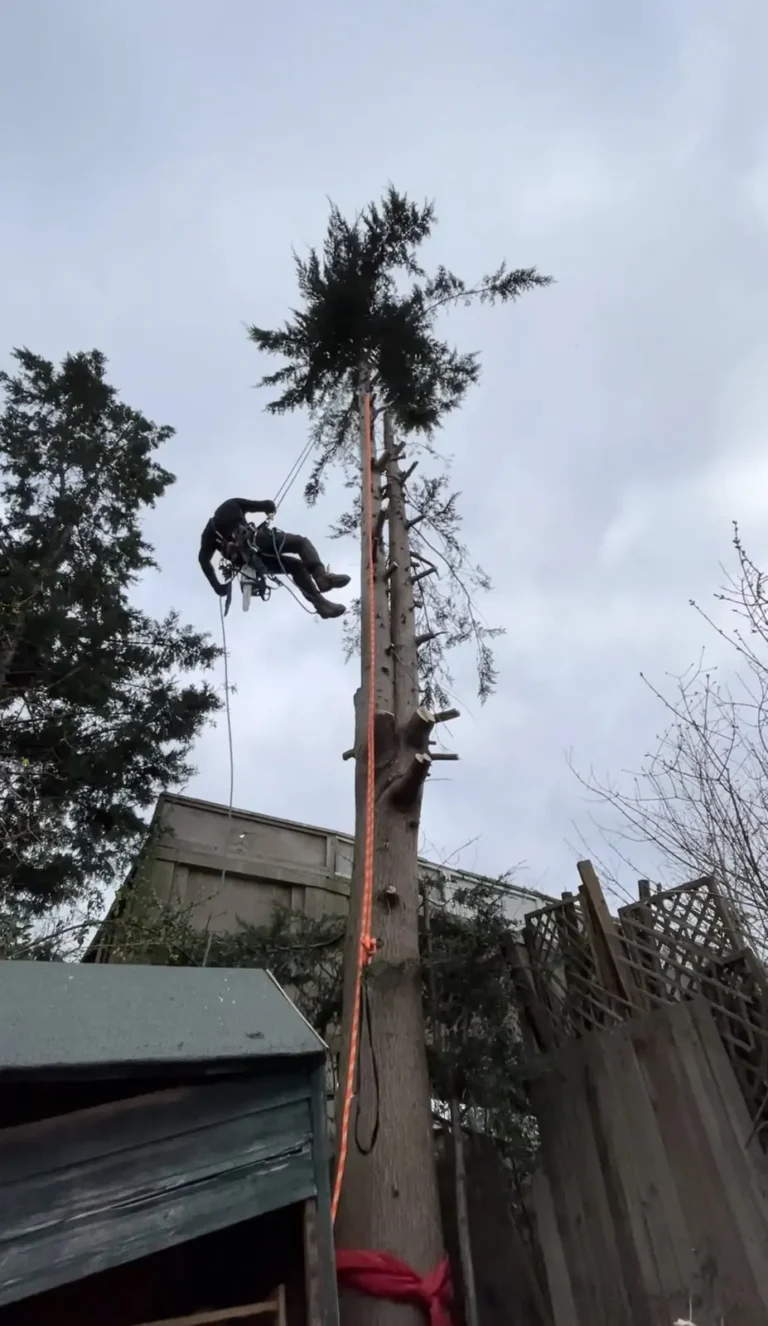
Tree Removal
Safe felling and sectional dismantling of dead, dangerous or unwanted trees, with full clear-up.
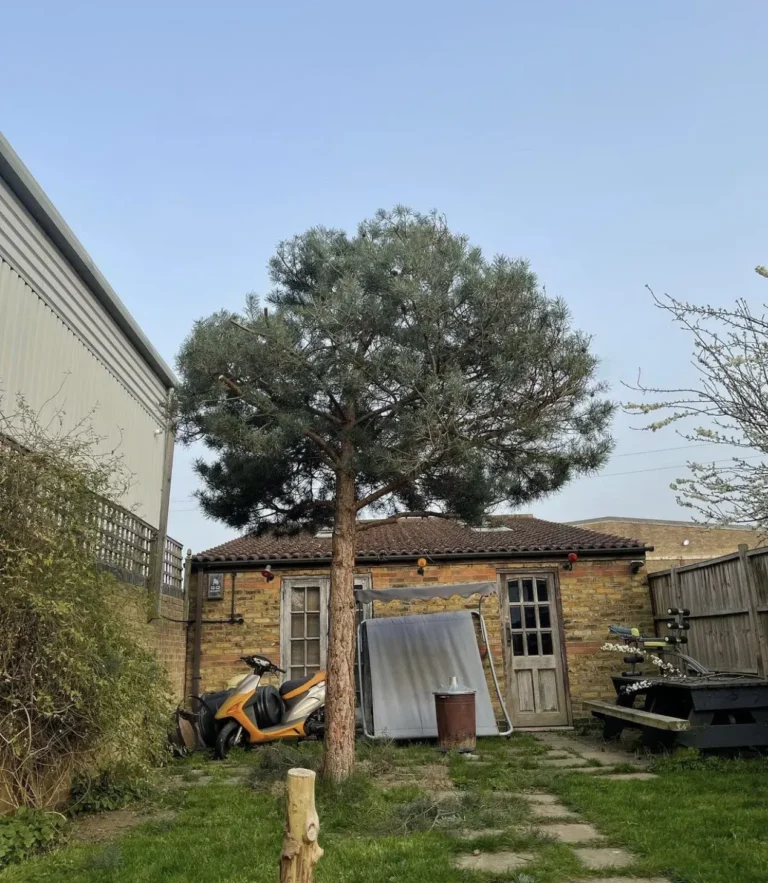
Crown Lifting
Remove lower branches to bring light into the garden and give clearance over drives and paths.
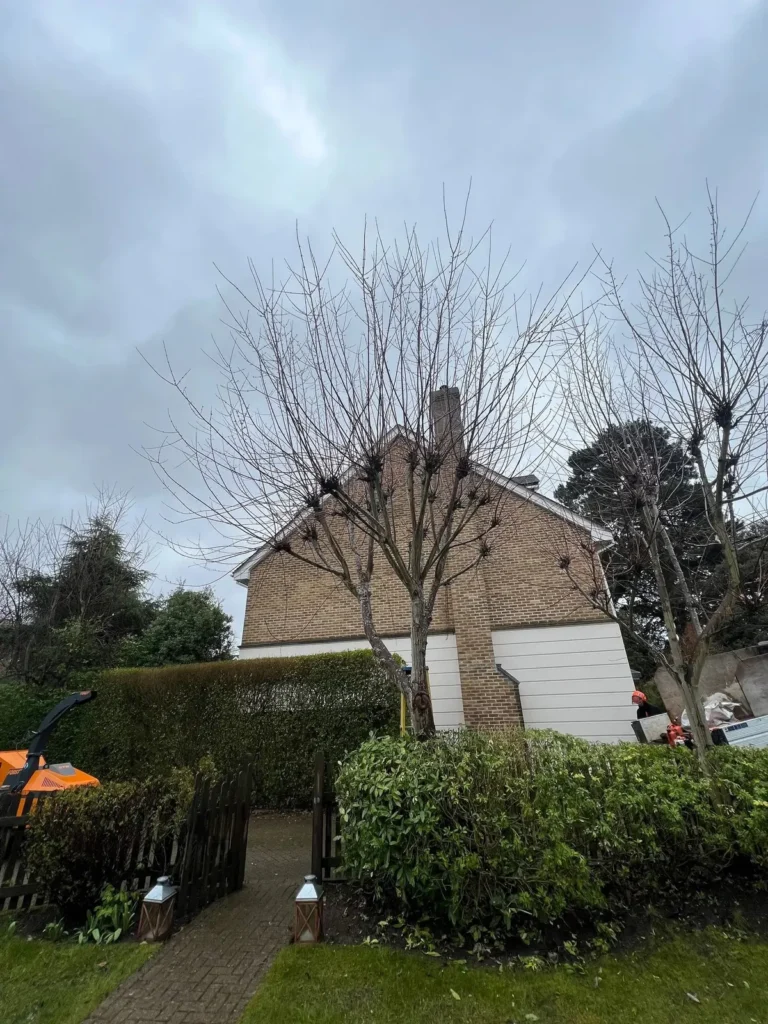
Pollarding
Traditional hard pruning back to a framework, keeping suitable trees compact year after year.
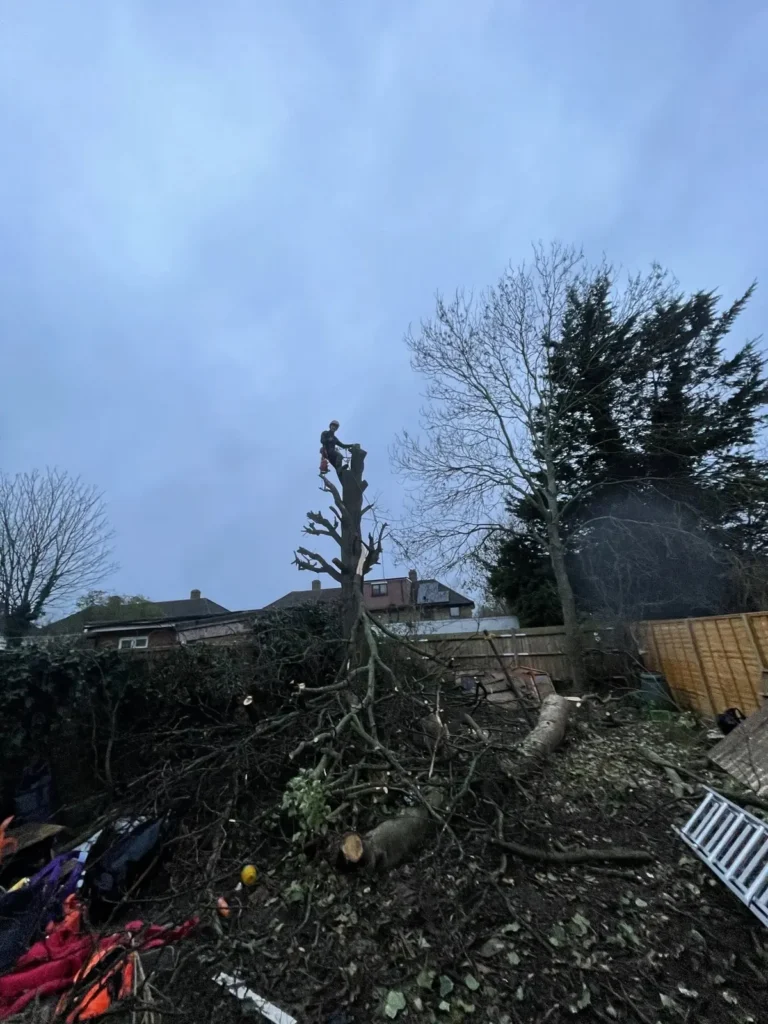
Emergency Tree Work
Making fallen, split and storm-damaged trees safe, then clearing everything away.
Get your free, no-obligation quote
Call 07810 540893, send photos on WhatsApp, or tell us about the job online. We cover Hampton, Twickenham and everywhere within 15 miles.